Examiner Shortages Cause Lengthy Driving Test Delays, Sparking Concerns Over Pay

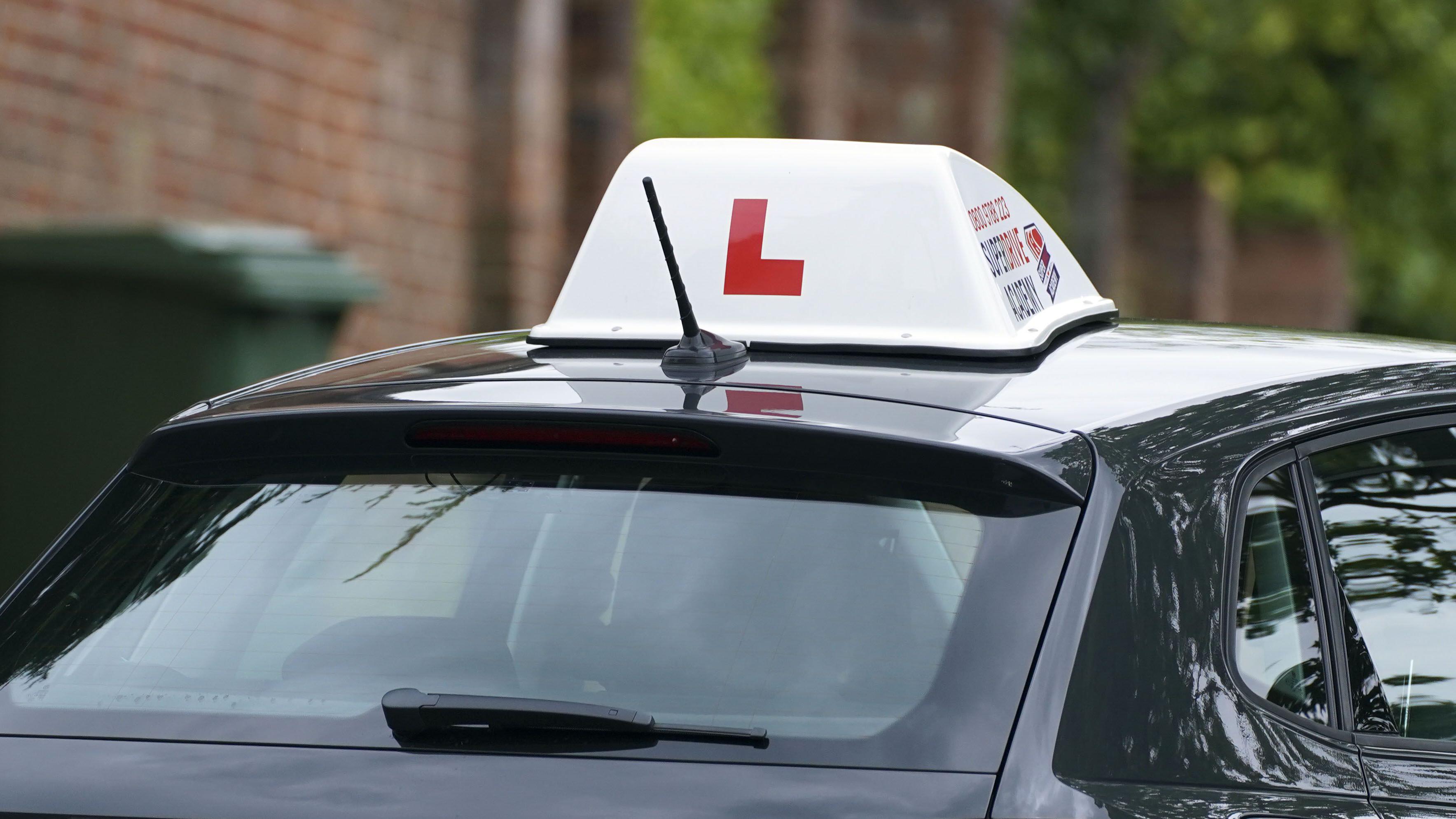
Resolving the backlog of waiting times for driving tests depends on enhancing the compensation and working conditions for examiners, according to experts in the field.
The government has committed to adding 10,000 additional practical test slots every month following statements from transport secretary Heidi Alexander who deemed the current average waiting period of six months as “entirely untenable.” She also vowed to increase the number of trainers for new examiners twofold.
Craig Harris from the Sheffield and District Driving Instructors Association noted that the challenges in attracting and keeping examiners were due to their ability to earn higher wages by training learners rather than evaluating them.
He stated, "Instructors previously earned a reasonable salary. Nowadays, they earn what they used to make in just 14 hours, so why would anybody choose to work for 37 and a half hours instead?"
'Proper investment'
The Driver and Vehicle Standards Agency (DVSA), which is a governmental organization, hires examiners. These individuals are considered civil servants and thus are not permitted to communicate with the press.
Several of these individuals are affiliated with the Public and Commercial Services (PCS) union, which stated that "substantial long-term investment in training and personnel" is necessary to ensure reasonable wait times.
"A sustainable resolution for reducing the backlog of driving test wait times could be accomplished via adequate funding for both DVSA resources and personnel," stated a representative from PCS.
These entail reinstating a comprehensive [either permanent or long-lasting] agreement wherein employees can choose to work weekends with proper compensation at an overtime rate.
Last week, the DVSA revealed plans to reinstate overtime pay. They also mentioned they would request employees from different positions, provided they have examiner qualifications, to conduct driving tests.
The aim is to eliminate the queue of test-prepared candidates by the summer of 2026 and reduce the typical waiting period to around seven weeks.

Mr. Harris mentioned that previous efforts to shorten waiting times have not succeeded before, noting that there has been "a significant decrease in hiring."
He mentioned that many instructors were once brought in to become examiners because they believed it would make their lives easier, however, this has since changed.
A swift search for examiner positions via the DVSA indicates a usual salary slightly over £28,000 prior to taxation.
Driving instructors often operate as their own bosses and have flexible working hours. However, those who work full-time usually earn around £40,000 annually, with some even surpassing this amount, as reported by the AA in 2023.
The DVSA declined to comment on its work environment and compensation.
The statement highlighted that customers did not observe the quick impact of initiatives introduced earlier, designed to hire an additional 450 examiners along with imposing stricter fines for late cancellations.
Pauline Reeves, DVSA’s head of driver services, mentioned that considerable advancements have been made regarding the initial strategy, and this new development will aid in speeding up that process.
'Pressure has mounted'
Several novice drivers are opting to take their exams in different parts of the nation because of insufficient test slots in their own regions.
Gwydion Elliot, who studies biosciences at the University of Sheffield, plans to undertake his practical exam in Wakefield towards the end of September.
He mentioned that if it exceeds six months, they do not include it, and there were absolutely no options available for Sheffield testing centers.
Pupils are able to schedule their practical exams up to six months ahead of time, but they typically have to wait an average of 22 weeks and three days for the exam slot to become available.
"Pressure has truly intensified," Mr. Elliott remarked.
It's challenging to take an exam when you know that failing could mean having to wait for another six months.
He expressed his desire to secure employment as an ecologist, entailing visits to remote field locations not easily accessible by public transportation.
He mentioned that finding employment in that field would be considerably simpler once he obtains his driving license.
Mr. Harris mentioned that instructors are likewise experiencing the stress of aiding their students through this immense challenge.
I believe our rates are below average at approximately £35 per hour, yet they remain somewhat pricey.
If they decide to opt for sporadic lessons while waiting, it becomes challenging for us to keep our schedule full.
The most terrible part is, if they fail an exam, they have to wait another six months.
Listen to highlights from South Yorkshire on Sounds Stay updated with the newest developments. episode of Look North
- Seven out of every ten driving test centers have reached their longest acceptable waiting period.
- I ranked 11,000th in the line": Trainee drivers face challenges due to an accumulation of tests.
- 10,000 additional driving exams each month to reduce the backlog