Editorial: Moon's Officials Sacrificed THAAD to Pacify China

Prosecutors have charged ex-high-ranking national security officials from the Moon Jae-in administration with reportedly disclosing confidential information to non-governmental organizations that were against the deployment of the U.S. Terminal High Altitude Area Defense (THAAD) system, seemingly as an effort to hinder its complete setup.
Chung Eui-yong, who previously led the presidential National Security Office, along with his ex-deputy Suh Choo-suk, faced charges but remained free from detention. According to prosecutors, Suh allegedly directed employees to disclose confidential information to protest organizations on more than eight instances. This included data about the transportation of THAAD equipment and building supplies.
Included among these groups were three organizations that had been previously labeled by South Korea’s Supreme Court as pro-North Korea entities. These include the Pan-Korean Alliance for Unification, an organization advocating for reunification under North Korean rule.
The released information allegedly encompassed secondary-level military secrets, resulting in a significant setback for national security.
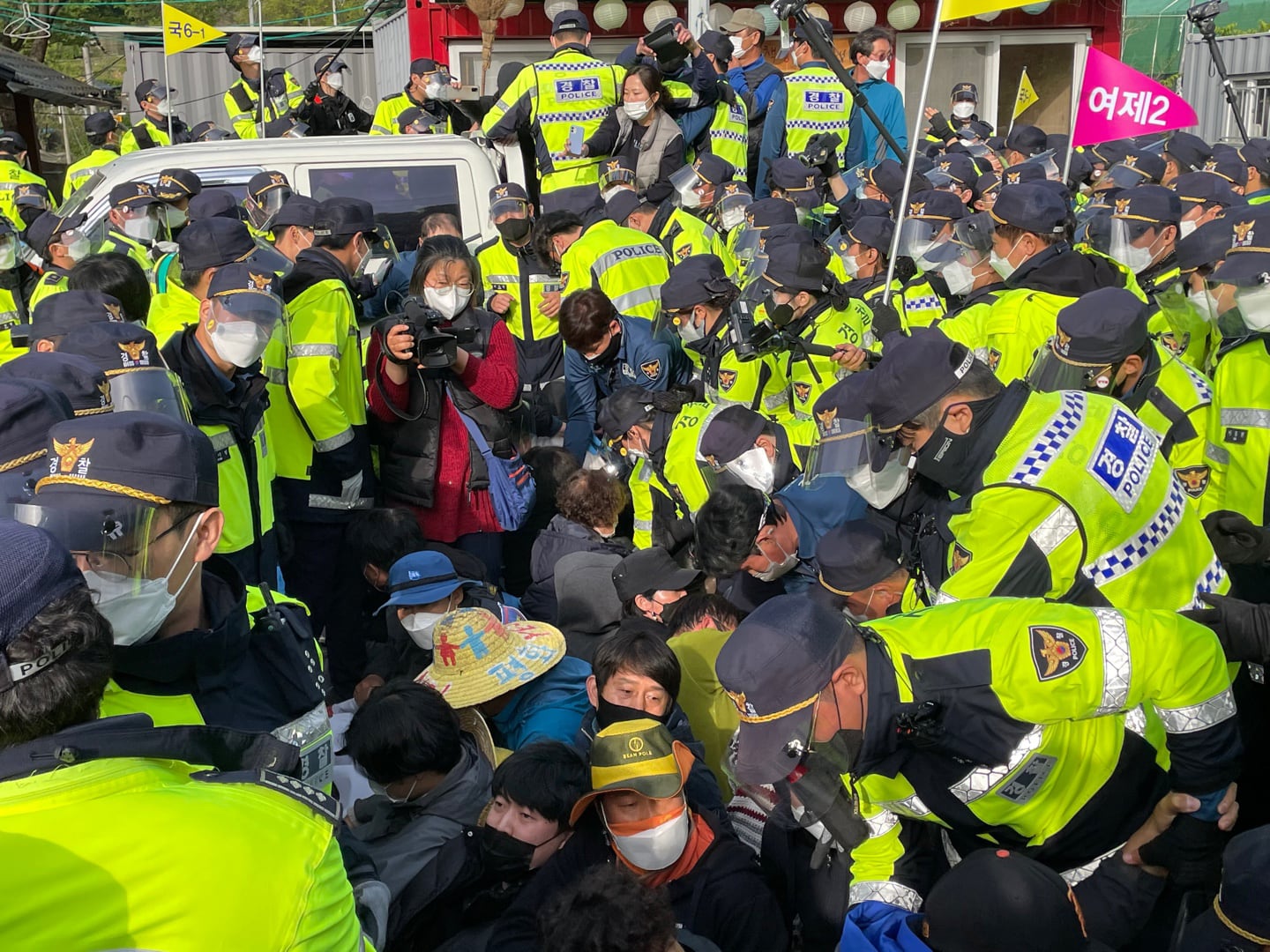
The installation of THAAD was authorized during President Park Geun-hye's administration to address the increasing nuclear and missile threats posed by North Korea. This decision sparked strong backlash from China, leading to extended demonstrations by anti-THAAD protesters at the Seongju base in southeast South Korea. They voiced worries about potential health risks associated with the electromagnetic radiation emitted by the system’s radar.
In 2020, as tensions rose, South Korean and U.S. military officials initiated a secret transportation effort to prevent conflicts. According to prosecutors, Suh alerted demonstrators beforehand, enabling them to obstruct the routes with cars and hinder the operation. Instead of suppressing dissent, officials from the Moon administration facilitated it.
At that point, the Moon administration had basically dismissed further THAAD installations, joining the U.S. missile defense system, and establishing a tripartite military pact with the U.S. and Japan—all stances perceived as compromises to appease China. These disclosures were undoubtedly aimed at postponing THAAD deployment consistent with these non-binding agreements.
Even though numerous tests confirmed that the radar wasn’t harmful to people, the Moon government allegedly kept these findings under wraps, worried that this information might weaken public resistance against the system. This led to a postponement of about five years before complete implementation could occur. By taking such an action, the administration inadvertently compromised South Korea’s missile defense capabilities as a way to placate China.
The THAAD base was ultimately finished during President Yoon Suk-yeol’s tenure. It now falls upon the courts to reveal the complete truth and make sure those accountable face consequences for their actions.