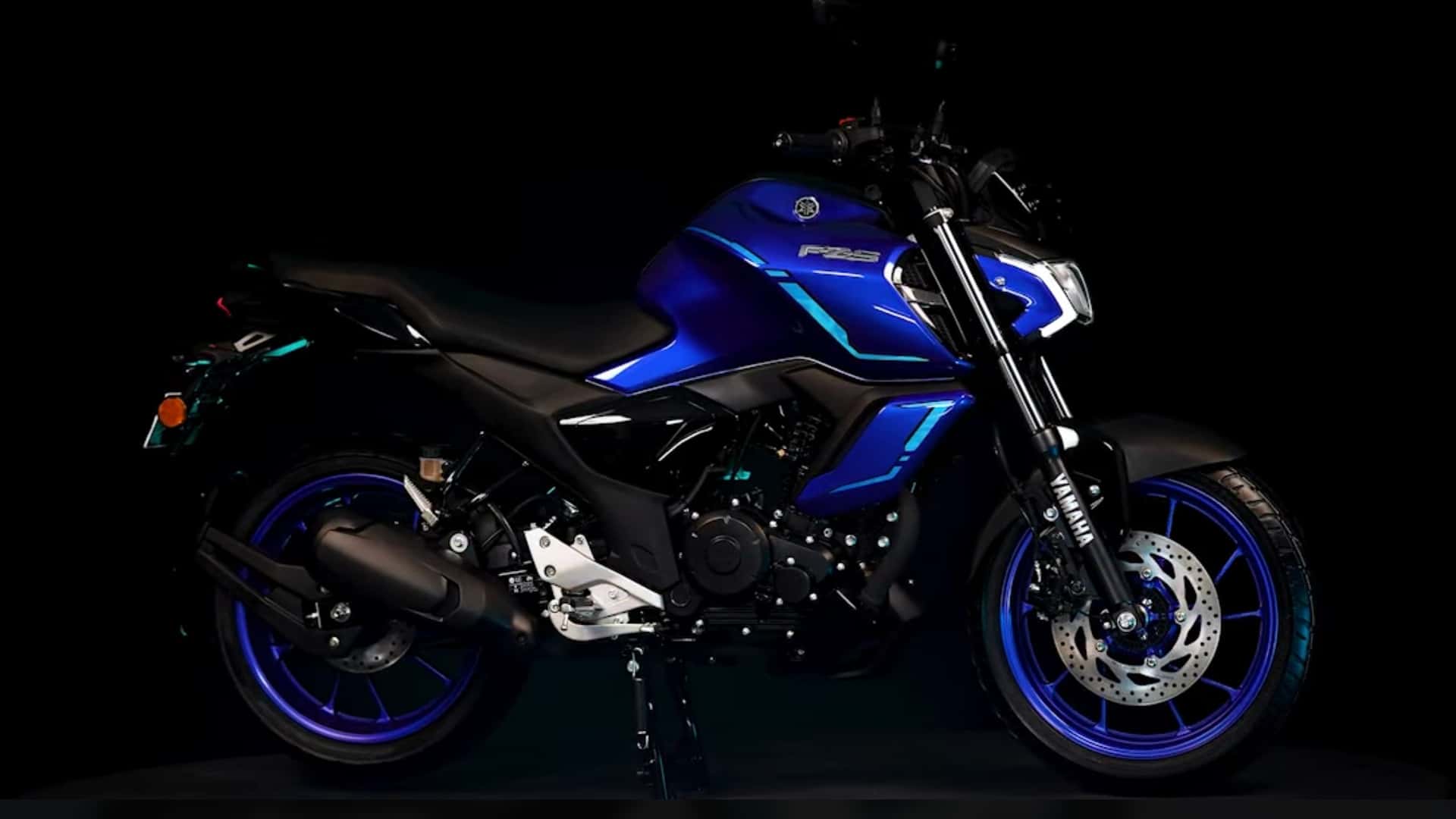
Yamaha Debuts World's First 150cc Hybrid Motorcycle: Exclusive to India

Might this technology eventually be adapted for larger motorcycles with greater worldwide popularity?
Manufacturers are diligently striving to enhance their bicycles' efficiency, be it through improved combustion technology, aerodynamic designs, or reducing weight. However, faced with stricter emission regulations and increasing fuel expenses, numerous brands are shifting towards electrification.
That said, hybrids —even though they are widespread in automobiles—have not become popular in the motorcycle industry. The limitations of space and weight make it challenging to incorporate a hybrid powertrain into a motorcycle without increasing its size or cost. However, Yamaha is attempting something innovative, particularly in the Indian market, with the FZ-S FI Hybrid , a slightly hybridized approach to the 150cc commuting market.
At its heart, Yamaha’s hybrid system is straightforward yet ingenious. The motorcycle employs a Smart Motor Generator (SMG) This serves dual purposes: it functions as a quiet, seamless starter motor (due to its direct connection to the crankshaft) and offers an additional electrical assist during low-speed operation.
In contrast to a hybrid car or Kawasaki’s more sophisticated Ninja 7 Hybrid, the FZ-S FI Hybrid lacks a large battery or an independent electric motor; instead, it merely supplements the gasoline engine as required. For a light urban vehicle, this configuration proves effective because even minor improvements in fuel economy and enhanced acceleration at lower speeds can be quite beneficial.
Now, I understand what you might be thinking—there is already a hybrid motorcycle out there, and it’s produced by none other than Kawasaki .
However, the point is, Kawasaki’s hybrid technology stands out as a distinct entity. Ninja 7 Hybrid Pairs a 451cc parallel-twin engine with a fully integrated electric motor, enabling operation in three modes: conventional internal combustion engine (ICE), hybrid assistance, and brief all-electric vehicle (EV) mode. The system includes regenerative braking to recharge the battery, which is not featured in Yamaha’s setup.
The compromise with Kawasaki’s hybrid system is its increased complexity along with a higher price tag of over $10,000. In contrast, Yamaha opts for a simpler and more budget-friendly solution that still provides the advantages of a hybrid setup without causing a substantial increase in cost or altering the motorcycle’s general handling characteristics noticeably.
I personally have direct experience with Yamaha’s hybrid technology because I own a Fazzio, a mild-hybrid scooter equipped with a comparable SMG system. The assistance provided by the hybrid feature is slight yet discernible, particularly during acceleration from a standstill, enhancing overall fuel economy significantly. My average mileage typically exceeds 50 kilometers per liter, equivalent to approximately 118 miles per gallon. Therefore, if the FZ-S FI Hybrid can achieve similar figures, it would be an enormous advantage for daily commuters.
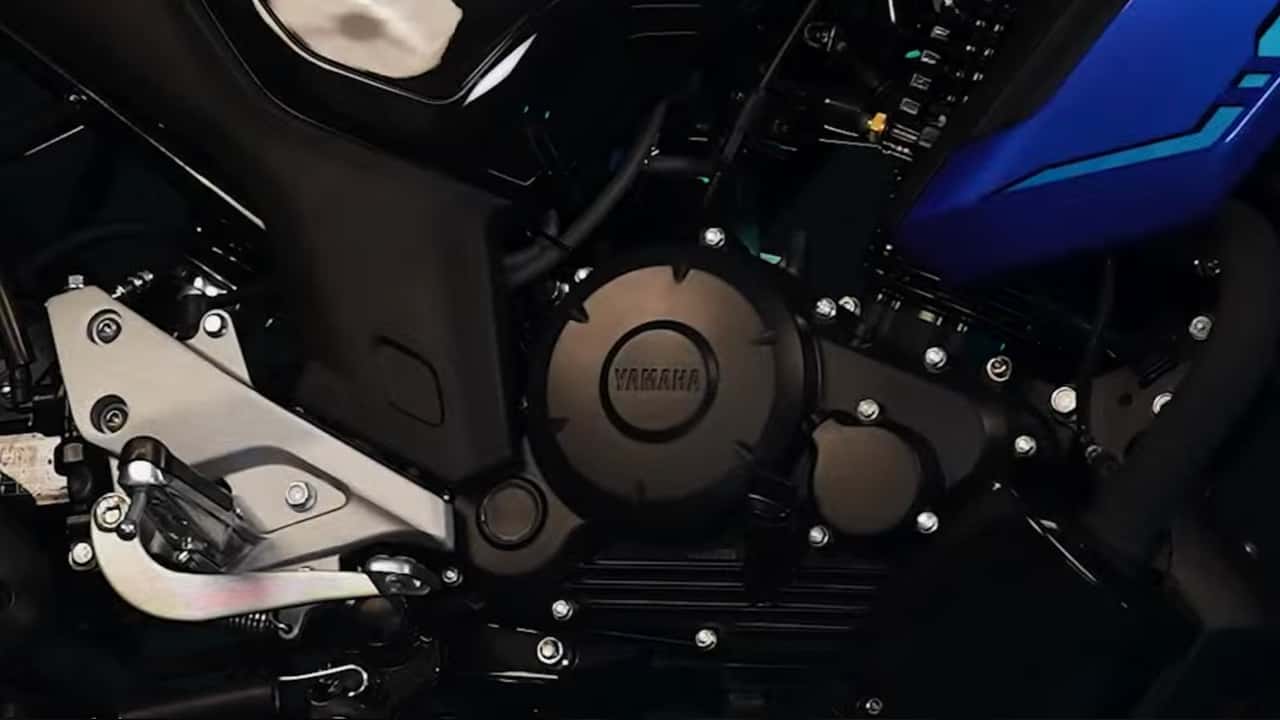
The 150cc engine receives additional power from an electric motor known as the Smart Motor Generator.
When we talk about value, the pricing for the FZ-S FI Hybrid really stands out. Priced at Rs 129,400 ($1,550 USD approximately), it costs just slightly above what you'd expect from a regular 150cc commuter scooter within India. In comparison to models such as the Ninja 7 Hybrid, it offers exceptional cost-effectiveness. Just think—Yamaha could potentially move massive numbers of these scooters if they chose to distribute them across various Asian countries, or maybe even penetrate markets in the United States and Europe.
Certainly, it lacks full electric capability, yet as an affordable hybrid motorcycle designed for practical use in everyday situations, Yamaha has hit the mark.
If this technology demonstrates success, Yamaha might readily introduce it to larger, more popular models. Think of a mild-hybrid. MT-09 Or an adventure bike that sips fuel with a bit of electric assistance—it’s not so outlandish.
Increased torque, improved fuel economy, and enhanced smoothness at lower speeds—without the complexities of a comprehensive hybrid system? It seems like a victory. Currently, the FZ-S FI Hybrid is paving the way in bringing hybrid motorcycles within reach. Given its efficiency, functionality, and cost, it’s challenging not to feel impressed.
Source: Yamaha Motor India