Self-Healing EV Battery: The Ultimate Solution for Range Anxiety

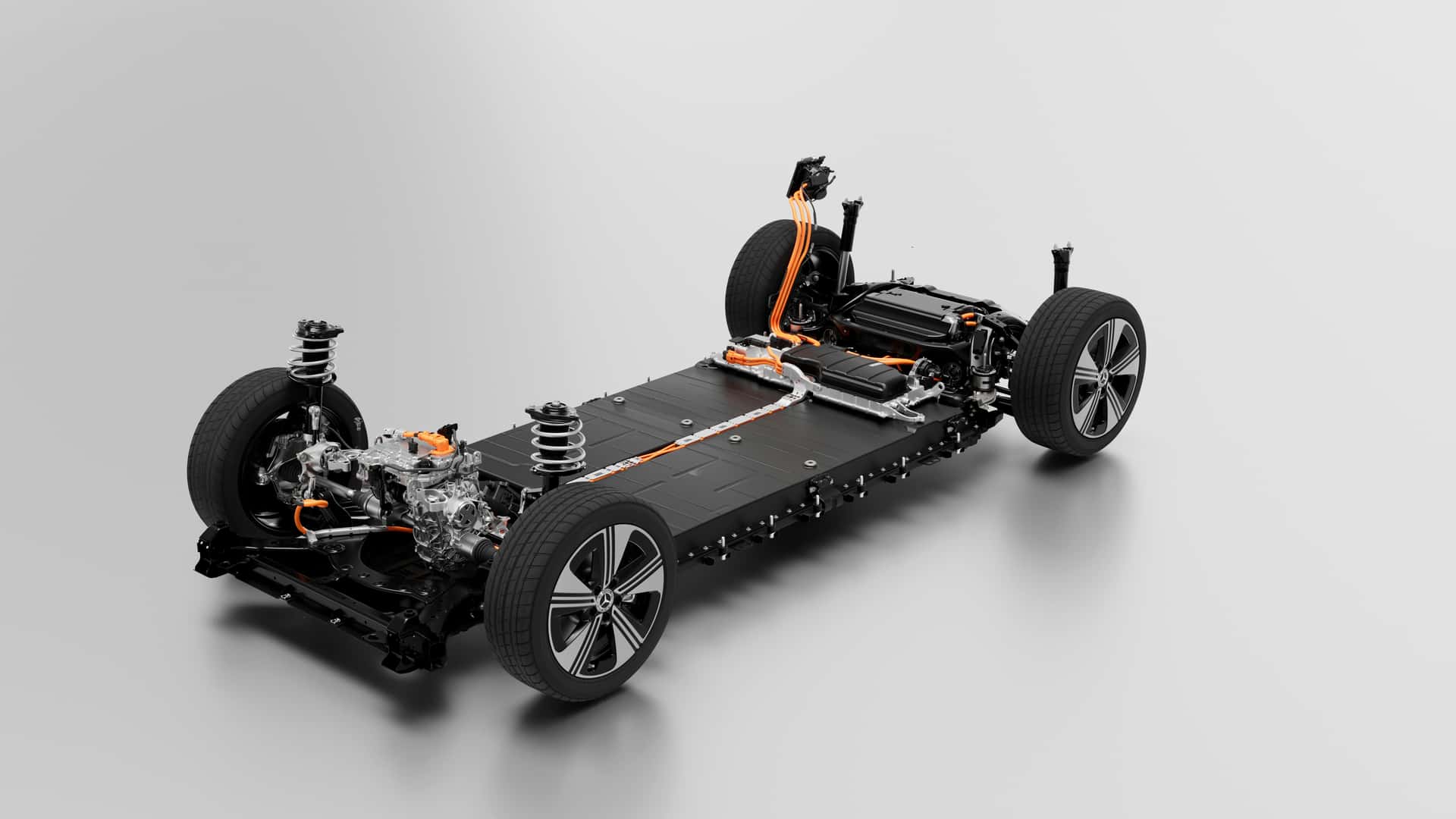
Experts believe that self-healing batteries could enhance both range and longevity, acting as the "secret ingredient."
- A European initiative is underway to develop an eco-friendly and high-energy-density battery.
- Researchers are said to have created a "super glue" that keeps the structure intact even after the object has been damaged.
- The chemistry comprises specialized cathodes and anodes along with a novel kind of electrolyte designed to safeguard them both.
There isn’t a universal approach when it comes to electric vehicle batteries. The size of these batteries varies among different types of vehicles, and often their chemical compositions are distinct too. However, the objectives for manufacturers stay consistent: they aim for higher energy density, quicker charging times, greater affordability, and enhanced safety. Yet, the methods employed continue to evolve. European battery researchers suggest that an eco-friendly "self-healing" system could be part of the answer to meet these targets.
Norwegian research organization SINTEF — also referred to as The Institute for Industrial and Technological Research — has been testing a battery they assert is more stable compared to conventional lithium-ion cells. They claim this new design offers superior driving range along with extended durability. To explain their concept, they described the battery structure using a sandwich metaphor: the cathode forms the upper layer, followed by anodes beneath them, interspersed with separators and binding agents in between. While such descriptions might apply generally to batteries, what sets apart this particular model lies elsewhere.
The cathode allegedly utilizes lithium-nickel-manganese oxide, said to be free of cobalt and containing lower amounts of both nickel and lithium compared to conventional electric vehicle batteries. This composition offers a greater mean voltage, potentially enhancing charging speeds and performance. Additionally, it can store more energy within a compact space, as noted by SINTEF researcher Nils Peter Wagner in an interview with a UK-based magazine. Tech Xplore .
On the contrary, the anode is constructed using a silicon-graphite blend. Many battery manufacturers are progressively investigating this approach. silicon anodes As they eliminate the inefficiencies associated with graphite-rich anodes, several U.S.-based battery startups like Amprius, Group14, and Sila Nanotechnologies are investigating silicon-based anodes. However, one drawback is that these silicon anodes often expand during charging and discharging processes. This issue can be addressed using a graphite composite, which provides the anode with enhanced durability and steadiness.
Additionally, there is a "super glue" substance that apparently fixes small cell damages, similar to how a self-healing car tire works. This feature appears as specialized binders and separators designed to maintain the integrity of the battery structure. To put it simply, a binder refers to a material used to keep the active components within a battery intact. On the other hand, separators play an essential role in maintaining separation between electrodes. separator Stops short circuits, ensuring the cathode and anode do not touch each other. The development of the initial generation-one prototype electrolyte using these materials has been finished, and the emphasis is currently on advancing to second-generation cells, as stated by SINTEF.
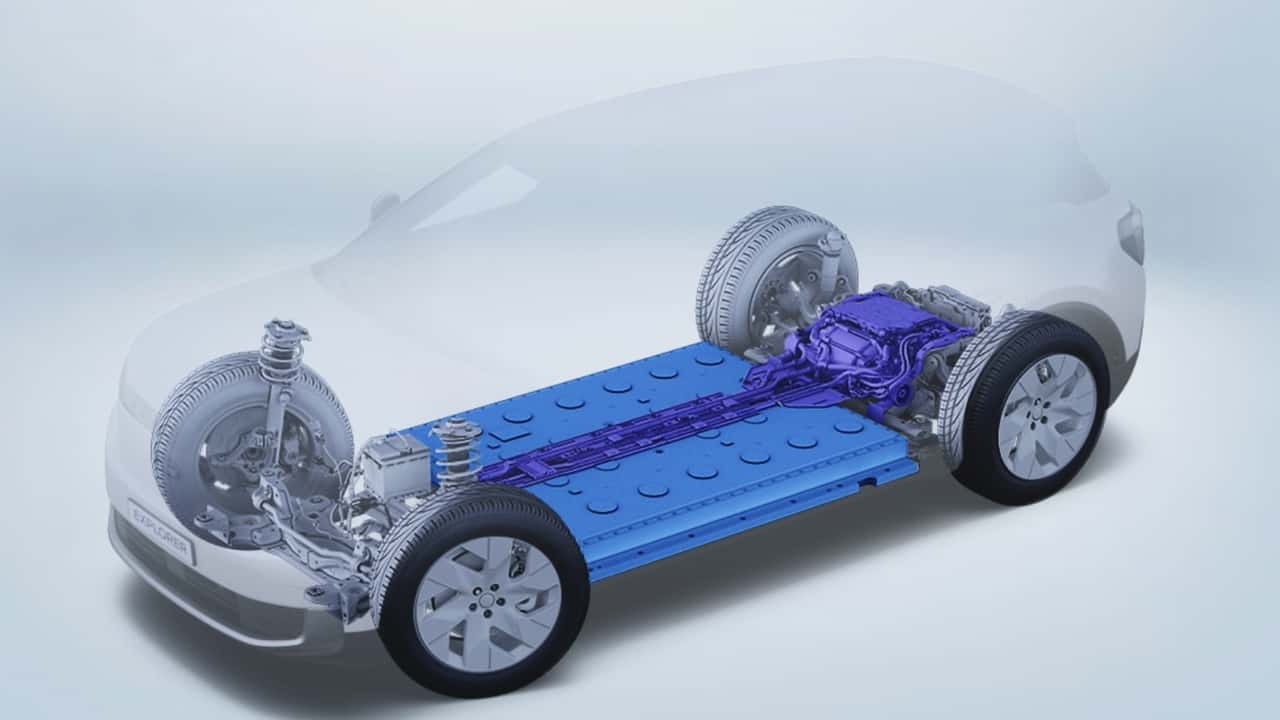
The final hurdle is determining how to introduce this technology to the market, as reports indicate efforts are being made to increase manufacturing capacity. While innovating within a laboratory setting is significant, transforming that research into a viable, large-scale commercial product presents an entirely different set of challenges. Over recent years, we've witnessed numerous advancements in battery chemistries; however, very few have successfully transitioned from theory to actual application.
As Bob Lee, who serves as the president and chief strategy officer of LG Energy Solution in North America, stated Autoline Network Podcast: "The key lies in manufacturing technology. The real challenge is producing batteries at high volumes over extensive surfaces uniformly."
Got a tip? Reach out to the author: suvrat.kothari@insideevs.com
Related Stories
- In 2026, the Mercedes CLA-Class will be an all-electric vehicle with a range of 500 miles as well as offering a hybrid option.
- Toyota Has Just Demonstrated That Electric Vehicles Are Here to Stay
- U.S. Electric Vehicle Sales Are Rising Amidst The Turmoil
- China’s Advanced Vehicle Technology Might Reach the U.S. via Volkswagen