"People Are Not Props": Sámi Reindeer Herders Battle Stereotypes in Ethical Tourism

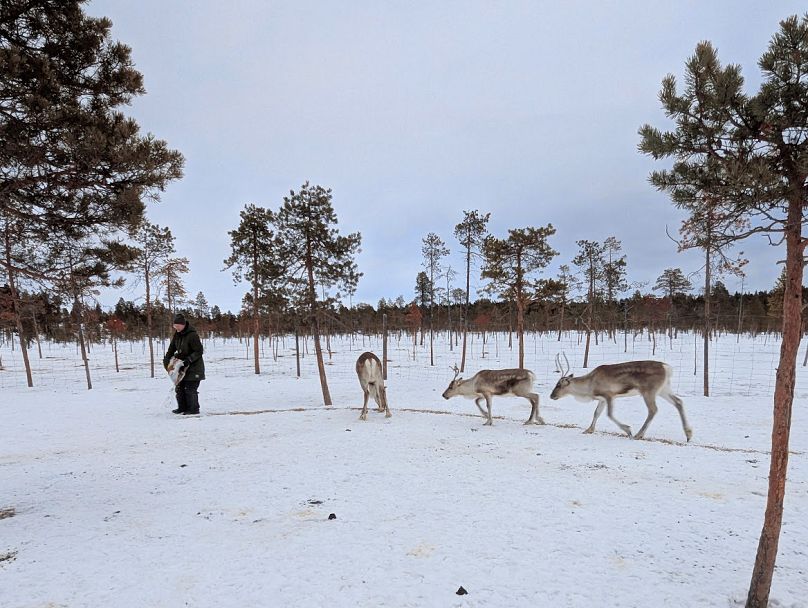
As soon as Raisa Kitti steps into the paddock, the reindeer gather around her, nudging their large, fuzzy noses into the sled filled with food that she is pulling behind her.
As she flings the pellets in a swirling pattern, they follow her eagerly, but they lose their hesitance when she takes out some vivid green moss. "This is their chocolate," Kitti explains, and three large noses snatch it from her grasp immediately. "They absolutely adore it."
Kitti presents various creatures by both their names and personalities. "Here’s the chief," she remarks, gesturing toward a reindeer with a snowy coat and an shedding horn. She continues, showing how he allows petting beneath his neck. Then, indicating a smaller animal, she notes, "This fellow is as fiery as a chili pepper—tiny yet incredibly robust."
Kitti and her spouse affectionately manage Reinina Reindeer Farm close to Inari, Finland, where his family has been raising reindeer for more than four centuries. This region is the ancestral home of the Sámi, who are Europe’s sole indigenous population.
For hundreds of years, they have tended to reindeer and utilized all parts of these animals: using the meat as nourishment, the bones and antlers for crafting tools, and the hides for making garments.
Tackling false information regarding Sámi culture
Nowadays, the reindeer draw in tourists as well, and Kitti takes small groups to the farm where they can feed the herd and gain insight into Sámi traditions. Additionally, she conducts cooking sessions and workshops focused on helping guests create jewelry and mementos using materials derived from reindeer skins.
Family-run establishments such as Reinina Reindeer Farm represent a fresh trend in Finland’s Lapland, offering beneficial experiences for both visitors and locals. This shift enables the Sámi people to gain from the surge in tourism.
For many years, the tourism industry has been dominated by non-Sámi businesses promoting a skewed portrayal of Indigenous existence. Brochures often feature igloos and husky sledding, which are not actually elements of Sámi tradition but instead originate from North American cultures.
This form of tourism has not only provided no financial benefits to the Indigenous community but has also caused harm by infringing upon their grazing lands and perpetuating misunderstandings. However, in recent years, the Sámi people have reclaimed control over how they are portrayed.
Inari: The Cultural Core of the Sámi
At first sight, the village of Inari, home to 650 inhabitants, seems nothing more than a pair of supermarkets and several dozen homes situated at the lakeside edge of a vast body of water.
Nevertheless, it is regarded as the cultural hub for Finland's Sámi community, housing both the Sámi Parliament and the nation's most extensive Indigenous peoples' museum.
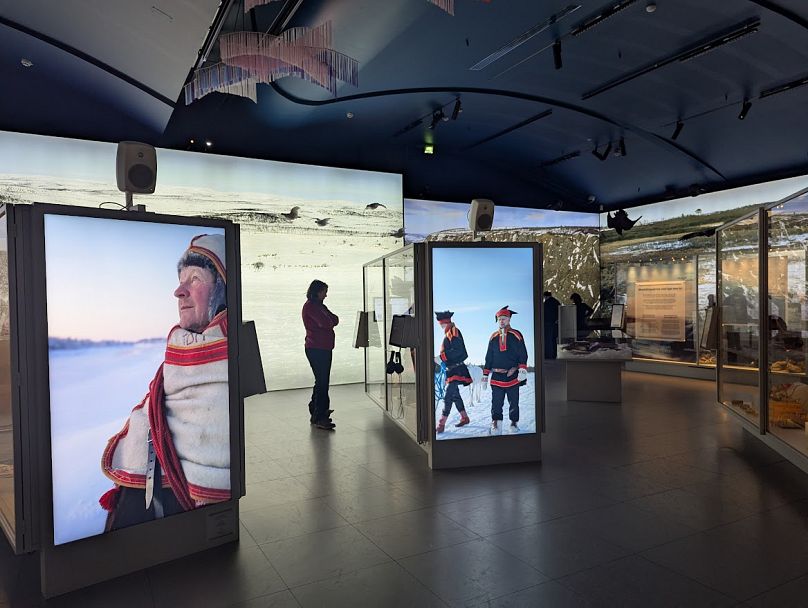
The Siida Sámi Museum, which underwent renovations in 2022, honored with the European Museum of the Year Award In 2024, it is a crucial destination for grasping Sámi culture.
Via breathtaking photos, everyday items, garments, and engaging exhibits, the museum guides guests across thousands of years of Sámi heritage and craftsmanship. It acquaints them with the lifestyle and culture Of individuals nowadays, ranging from reindeer herding to music and art.
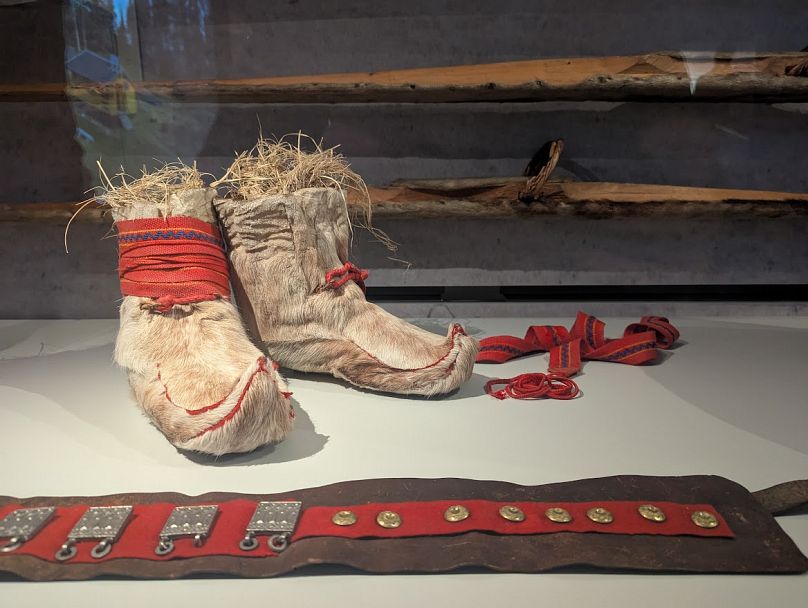
The exhibits showcase a culture that remains firmly grounded in traditions yet adapts to contemporary changes. Beside a skateboard adorned with Sámi patterns and a car key strung with a reindeer bone, a message states: "Non-Sámis often criticize the community for embracing 'external impacts'... However, what if this is merely an endeavor the Sámi wish to pursue?"
The dismissive attitude openly rejects the notion that Indigenous cultures ought to be static exhibits for tourists' amusement.
The Sámi are sharing their own narrative.
"What the Sámi seek is a form of tourism that conveys their genuine narrative. This story should be relevant to the present rather than solely focusing on history, which often perpetuates many misconceptions," says Kirsi Suomi, a project coordinator at the Sámi Parliament who has played a key role in various initiatives. sustainable tourism initiatives .
For many years, the Sámi people have faced cultural exploitation, as Suomi points out. Activists staged protests in both the mid-90s and 2008 over non-Sámi Finns adopting fake Sámi outfits for tourist attractions. This tradition started in 1950 during Eleanor Roosevelt’s visit to the Arctic Circle. At that time, local officials quickly constructed a "Sámi" village complete with log cabins and performers dressed in inexpensive versions of traditional Sámi attire.
Gradually, these log cabins evolved into Santa Claus Village, which houses Father Christmas, reindeers, and numerous "Sami" activities. Situated near the town of Rovaniemi at the edge of the Arctic Circle, this remote location turned into one of Lapland's premier attractions, drawing more than 500,000 tourists annually.
Nevertheless, among numerous enterprises targeting travelers, less than six are actually led by the Sámi people. Tourists spend money on activities like husky sled rides and shamonic drum ceremonies, often without realizing that these experiences do not accurately represent genuine Sámi traditions.
Moral principles to assist travelers in making educated decisions
To address this widespread misrepresentation, Suomi spearheaded a parliamentary initiative in 2018 aimed at establishing ethical standards for Sámi tourism.
"We used an existing model from Australia and modified it to fit the Finnish landscape," she explains. These guidelines assist visitors in understanding how to interact with Sámi culture appropriately, emphasizing that individuals wearing traditional Sámi attire are not mere sights for tourists and ought not to be photographed without their consent.
They similarly warn visitors against entering private properties or establishing campsites in regions where reindeer graze.
Guests fail to realize that individuals are not mere objects," states Suomi. "They attend funerals, photographing bereaved families dressed in traditional attire.
Finland is currently working on a certification program aimed at assisting tourists in recognizing ethical, Sámi-operated enterprises. This initiative, supported by funds from NextGenerationEU, will be unveiled during the European Indigenous Tourism Conference hosted by the Sami Parliament of Inari in May.
This will be the inaugural event of its type, gathering Indigenous tourism representatives from Finland, Norway, Sweden, and Greenland. The certification process aims to assist with this initiative. tourists make informed choices And provide exposure for businesses such as Reinina Reindeer Farm, which function on a modest, eco-friendly scale and offer genuine perspectives into Sámi culture.
A lot of visitors seek out more responsible encounters.
Kitti has observed that numerous tourists are seeking out this type of experience.
People now realize that simply wearing reindeer skins does not make one a shaman," she explains. "Our guests are eager to learn about and comprehend our way of life and heritage.
In the meantime, her tourism venture has opened up new economic prospects for her family. The income derived from this activity assists them in looking after their reindeer and maintaining their traditional lifestyle.
However, as I step into a sizable souvenir store during my final day in Inari, I recognize that Kitti and Suomi face an arduous struggle.
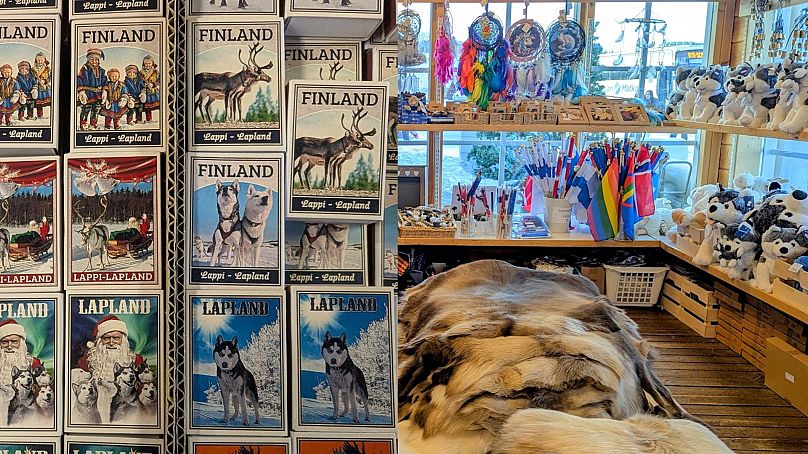
Coachloads of visitors flood into the shop and browse through aisles packed with Santa statues, Christmas decorations, and "Lapland Shaman" figures. Display boxes depict scenes featuring individuals wearing faux Sámi attire. Images of huskies appear on postcards, stuffed toys, coffee mugs, fridge magnets, and even dream catchers — an item originating from North American Indigenous traditions.
Stale stereotypes are prominently showcased and up for sale to whoever has a handful of euros at their disposal.