Discover the Hidden Gem of Italy: Wild Beaches and Charming Villages

From the rugged shores of the Riviera del Conero to the ancient towns of Urbino and Ascoli Piceno, Italy’s Marche region, neighboring Tuscany, boasts numerous hidden gems.
The Duomo di San Ciriaco in Ancona, a haven nestled between sea and sky.
Perched atop the Guasco Hill, dominating the harbor area, the Cathedral of San Ciriaco stands as a emblematic structure representing Ancona, which serves as the principal city of the Marche region in Italy. Constructed upon the foundations of an old Greek temple, this architectural marvel dates back to the 12th century. th A centuries-old cathedral merges elements of Romanesque, Byzantine, and Lombard architectural styles. The entrance, adorned with carved lions supporting the pink-stone portico, leads guests beneath a painted wooden ceiling originating from the 15th century. th In the century, within, among a grove of marble pillars, lies a crypt housing remains of an ancient Christian basilica. From the esplanade, one can view this sight. view of the Adriatic Is absolutely stunning, encompassing both the urban landscape and the sea vista. A location brimming with unmistakable allure and romance!
The Riviera del Conero, ranging from untamed shores to charming hamlets.
Approximately ten kilometers south of Ancona, the Conero promontory introduces a dramatic shift in the coastal scenery. The steep cliffs drop sharply into pristine waters, highlighting secluded bays like the Spiaggia delle Due Sorelle, accessible solely by watercraft. Within the Bay of Portonovo, the 18th-century th A centuries-old tower and the Romanesque Church of Santa Maria stand as testaments to the area’s rich history, nestled beautifully between the sea and the mountains. Perched atop hills like Sirolo, these picturesque villages provide breathtaking ocean vistas and easy entry into the hiking paths within the Conero natural park.
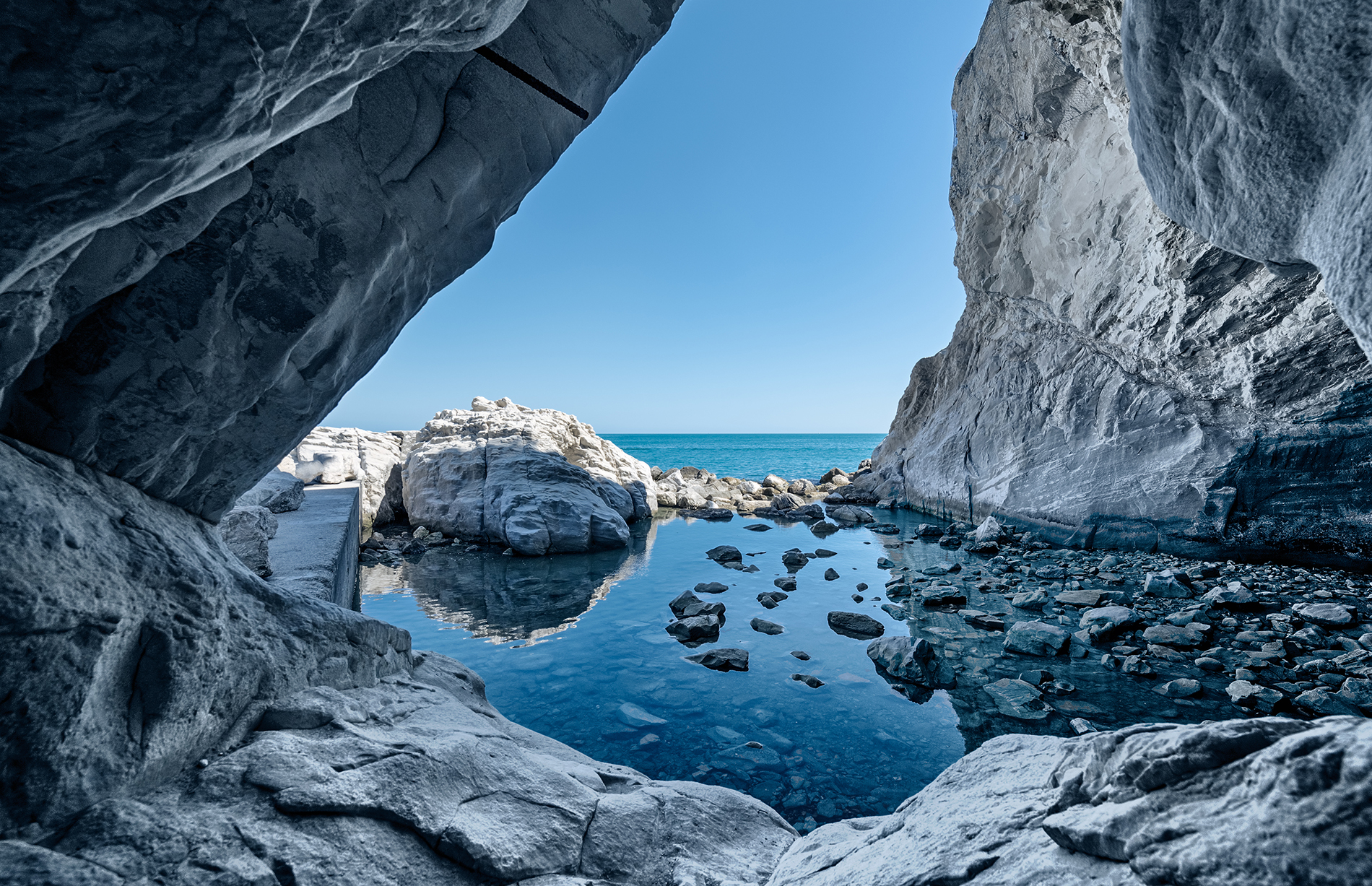
From the verdant slopes of Monte San Bartolo Nature Park to the coast, nature unfolds in all its glory.
Monte San Bartolo Nature Park showcases an impressive blend of terrestrial and marine environments extending from Gabicce Mare to Pesaro. This area features lush rolling hills that emerge dramatically from the Adriatic Sea, forming breathtaking vistas with steep cliffs and hidden bays. Various trails meander past charming hamlets and verdant slopes, ultimately reaching culturally significant sites like the Villa Imperiale in Pesaro—a grand Renaissance palace once belonging to the Sforzas and subsequently the Medicis. Additionally, visitors should not miss the clifftop town of Fiorenzuola di Focara, known for panoramic ocean views and serving as home to the park’s sole sandy stretch along the coast.
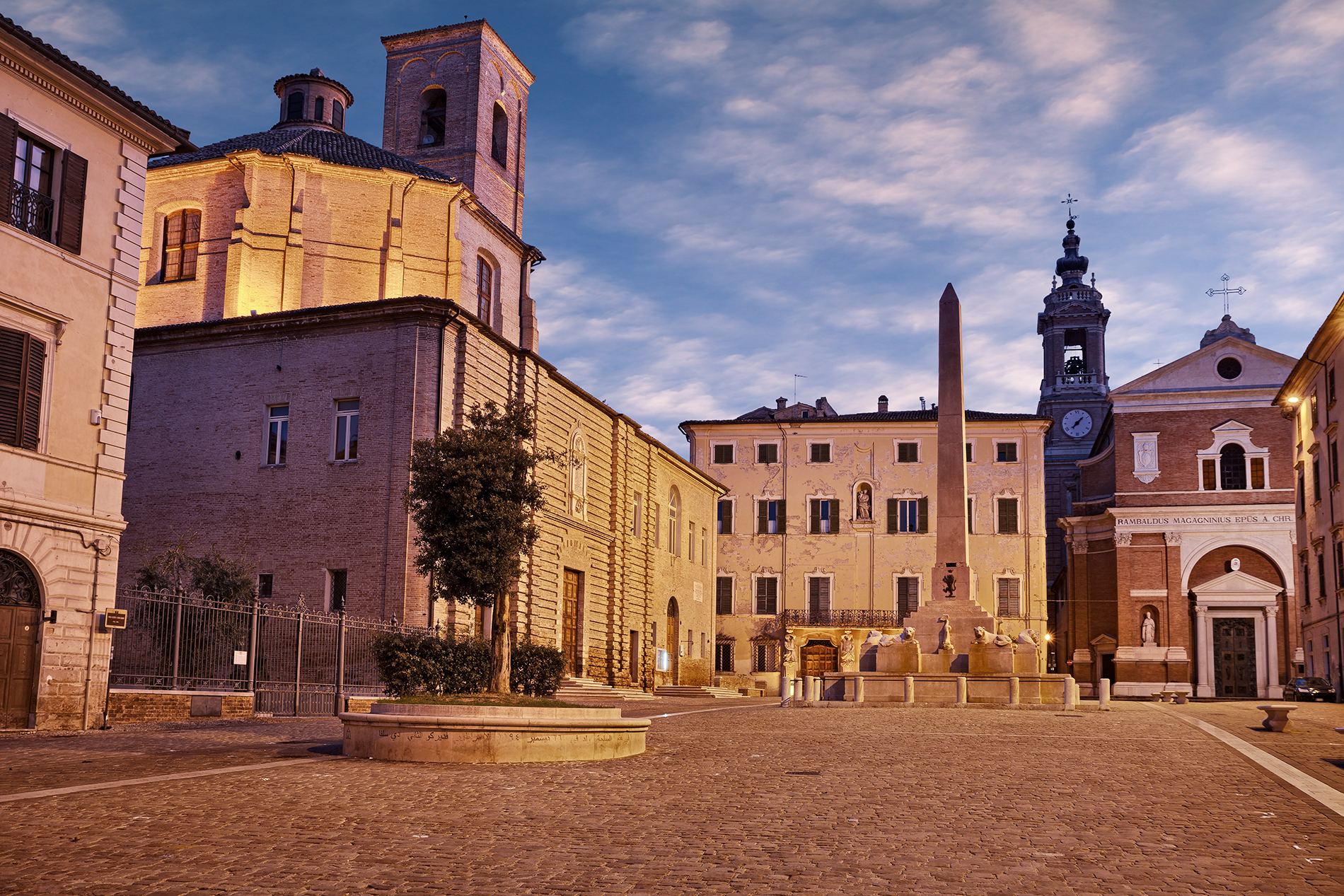
Jesi, a city where tradition meets innovative tastes.
Encircled by well-maintained medieval ramparts, Jesi epitomizes the fusion of art, history, and cuisine. As a walled town renowned as the birthplace of Holy Roman Emperor Frederick II, it brims with delightful spots, regal palaces, and Renaissance-era churches. The Teatro Pergolesi stands testament to the city’s cultural vibrancy, honoring a native musician. Art enthusiasts will find treasures at the Pinacoteca within Palazzo Pianetti, featuring pieces from Venice-based artist Lorenzo Lotto. Wine aficionados might savor—sparingly—the area's signature Verdicchio, produced in the nearby vineyards. Boasting an illustrious heritage coupled with untouched allure, this municipality offers much to explore.
Ascoli Piceno, with its medieval legacy and olive orchards
Dubbed the “Little Siena Due to its numerous medieval structures, Ascoli Piceno stands out as one of the most stunning gems within the Marche region. Its geographic setting alone makes it worthy of exploration; perched atop a rocky hill at the base of the Sibylline Mountains, this town is encircled by the rivers Tronto and Castellano flowing beneath it. To truly appreciate its charm, visitors should stroll across one of its bridges into the heart of the city where they will find the Piazza del Popolo—a space adorned with graceful archways and surfaced in travertine stone—that leads to winding lanes filled with medieval towers and Renaissance-era palazzos. Additionally, Ascoli Piceno has gained renown for its specialty dish known as all'ascolana—stuffed green olives battered and deep-fried until golden—which epitomizes the rich culinary heritage nurtured by the fertile lands of Marche.
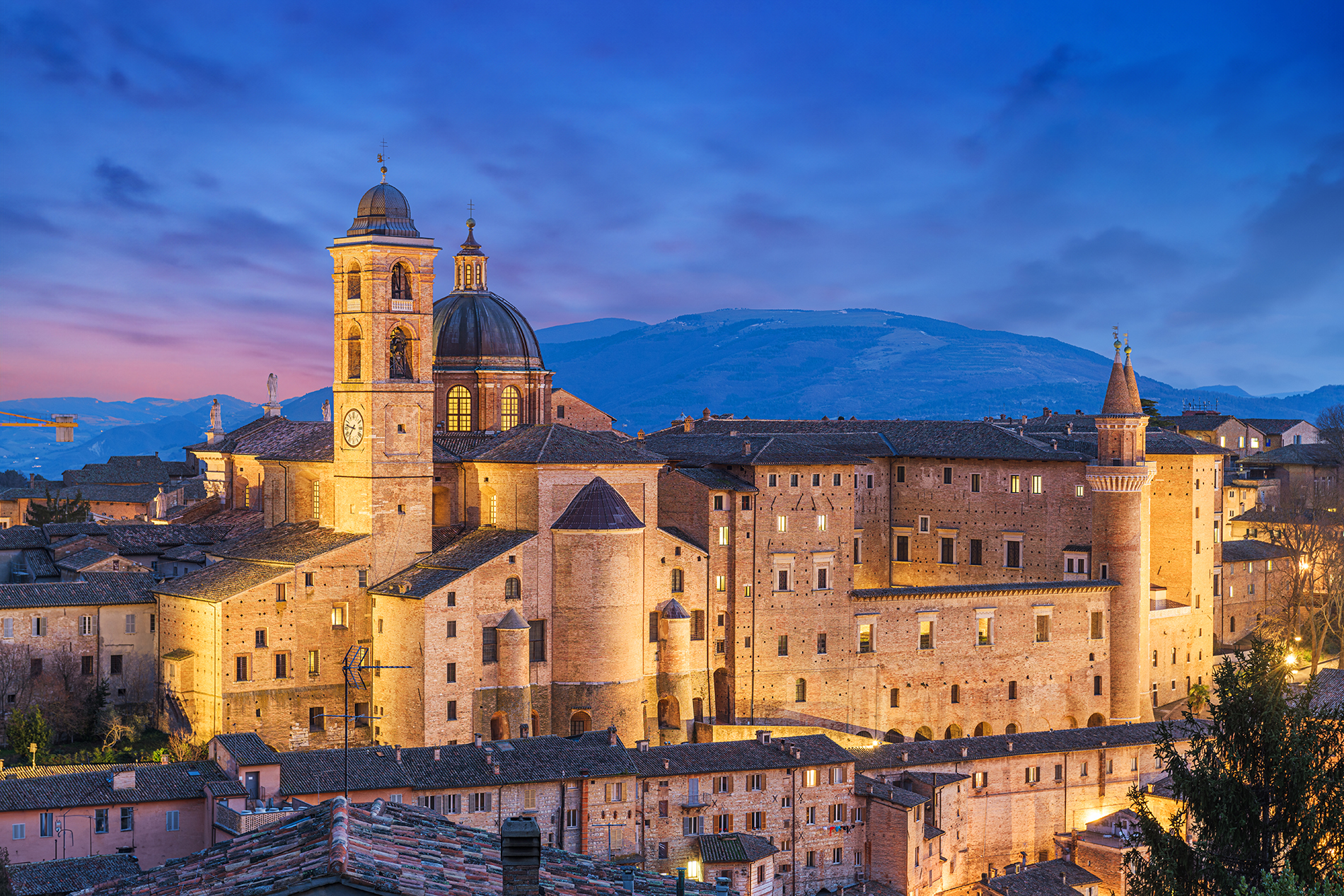
Urbino, a UNESCO World Heritage site showcasing a Renaissance masterpieces
Up on two hills, Urbino It stands as a prime illustration of the Renaissance ethos. Approximately one hundred kilometers away from Perugia, the influential Duke of Urbino, Federico da Montefeltro, crafted a humanistic vision embodied still today by the Palazzo Ducale. Constructed between 1444 and 1472, this sophisticated citadel now accommodates the Galleria Nazionale delle Marche, featuring artworks such as those by Piero della Francesca and Raphael—born in 1483—which coexist among other notable pieces. To fully appreciate the wonders of this UNESCO World Heritage site, embark on the scenic path starting at Piazzale Roma, allowing you to savor sweeping vistas encompassing the city’s fortifications, cobblestone lanes of the lower district, and piazzas adorned with pastel-hued brick residences.