Brown University Professor Deported for Alleged Hezbollah Ties by U.S. Homeland Security

On Monday, Homeland Security authorities stated that a Lebanese physician, who had been removed from the country even with a valid U.S. visa, explicitly confessed to participating in the funeral of a Hezbollah leader and endorsing his cause.
The department’s announcement, shared via social media, offers an account of why Dr. Rasha Alawieh, a 34-year-old individual whose expulsion from the U.S. has caused significant concern, particularly following a directive from a federal judge preventing her return without a hearing. According to government attorneys, the customs officers were not informed promptly enough prior to Alawieh being returned to Lebanon.
"Obtaining a visa is a privilege, not an entitlement — endorsing or aiding terrorists who murder Americans serves as justification for denying their visa applications. This represents sensible safety measures," stated the Department of Homeland Security.
Are you looking for insights into the most significant issues and developments globally? Find your answers here. SCMP Knowledge Our latest platform offers carefully selected content including explainers, FAQs, analyses, and infographics, all provided by our acclaimed team.
The Justice Department has outlined its rationale for deporting Alawieh in legal papers submitted to the courts; however, these documents have been kept confidential from the general public at the request of a federal judge. Reports indicate that news organizations managed to access these files prior to their sealing, revealing that Alawieh possessed photographs of Hassan Nasrallah—the head of Lebanon’s militant organization over the last thirty years—on her mobile device.
This marks the most recent expulsion of an individual born abroad who held a US visa within the last week, following another incident. A student from Columbia University who organized demonstrations against the Gaza conflict was detained. Additionally, another student had their visa canceled. Despite a federal judge issuing a temporary restraining order halting deportations, the Trump administration still moved hundreds of immigrants to El Salvador.
Alawieh received the visa on March 11 and landed at Boston Logan International Airport on Thursday, as stated in a lawsuit submitted to federal court by one of her cousins on her behalf.
Alawieh, a kidney transplant specialist with prior experience working and residing in Rhode Island, was held for a minimum of 36 hours until Friday, according to the complaint. She was scheduled to begin her role at Brown University as an associate professor of medicine.
On Friday, US District Judge Leo Sorokin ordered that an in-person hearing be set for Monday, requiring Alawieh to appear in court.
However, by Saturday, the cousin submitted a filing stating that customs personnel "deliberately" violated the directive by returning Alawieh to Lebanon.
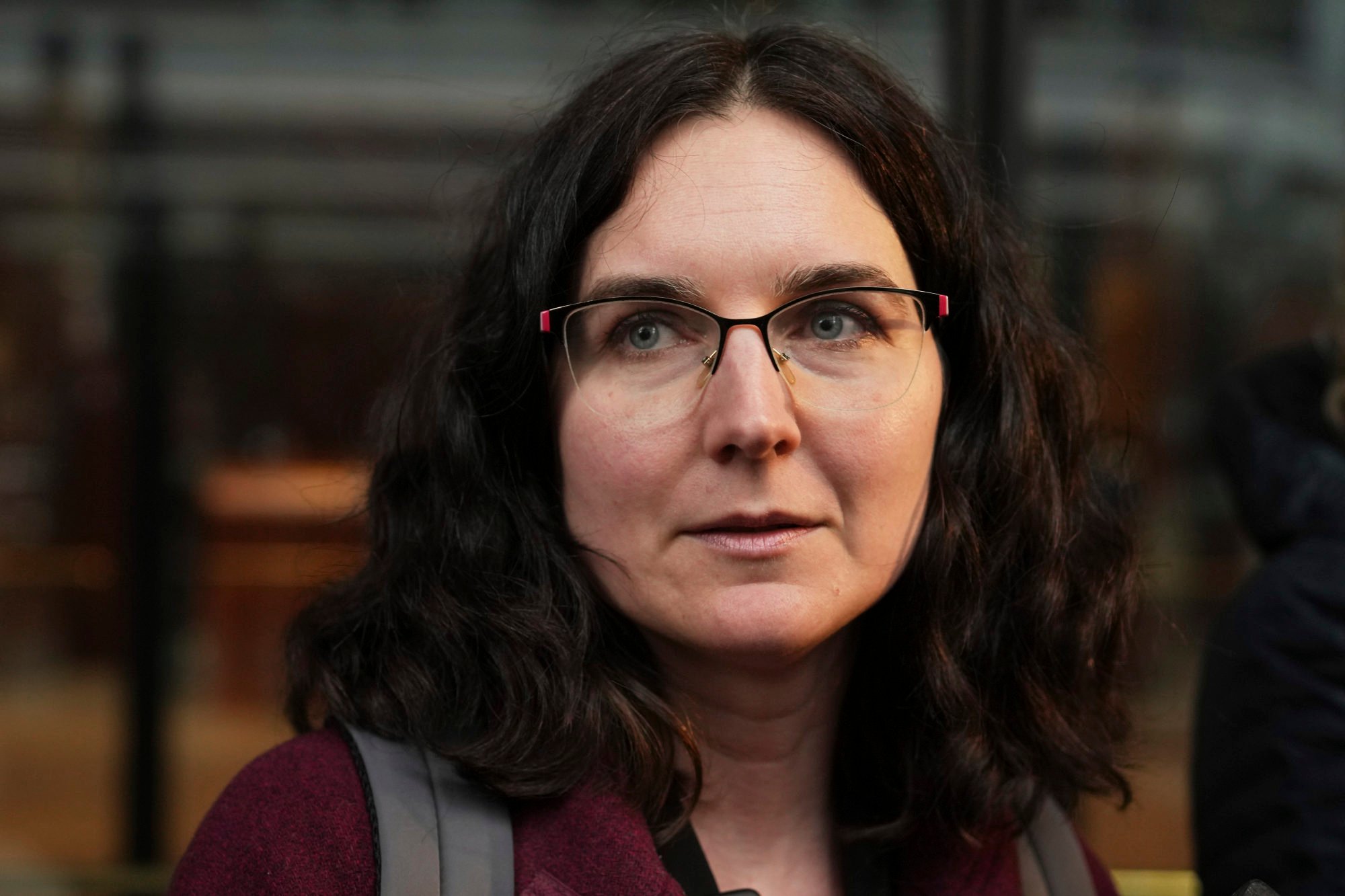
Attorneys representing the government stated in a legal document submitted on Monday that U.S. Customs and Border Protection agents at Boston Airport were not informed about the directive until after she had “already left the country,” as observed by the judge. They requested that the case be closed.
On Monday, the judge postponed the hearing of the case to provide Alawieh's legal team with more time for preparation.
Stephanie Marzouk, Alawieh's attorney, mentioned that they are striving to make sure the US government adheres to legal standards. She stated that they will continue their efforts without giving up, aiming for her return to the United States so she can reunite with her patients where she belongs.
Before receiving her H1B visa, Alawieh was employed at Brown, according to the complaint. The document also stated that she has been awarded fellowships and residencies at three U.S. universities.
A representative from Brown stated that Alawieh works for Brown Medicine and holds a clinical position at Brown University.
Brown Medicine is a non-profit healthcare provider operating as an independent entity. It caters directly to its patient community and has ties with the medical program at Brown University.
On Monday, several of Dr. Alawieh's coworkers gathered outside Boston’s federal courthouse to show their support for him.
One of only three transplant nephrologists in all of Rhode Island, she also covers parts of Massachusetts and Connecticut," explained Dr. Susie Hu. "Losing her will significantly impact our program.
Hu noted that transplant nephrology is a "highly specialized field," making it likely to be extremely challenging to fill Alawieh's position.
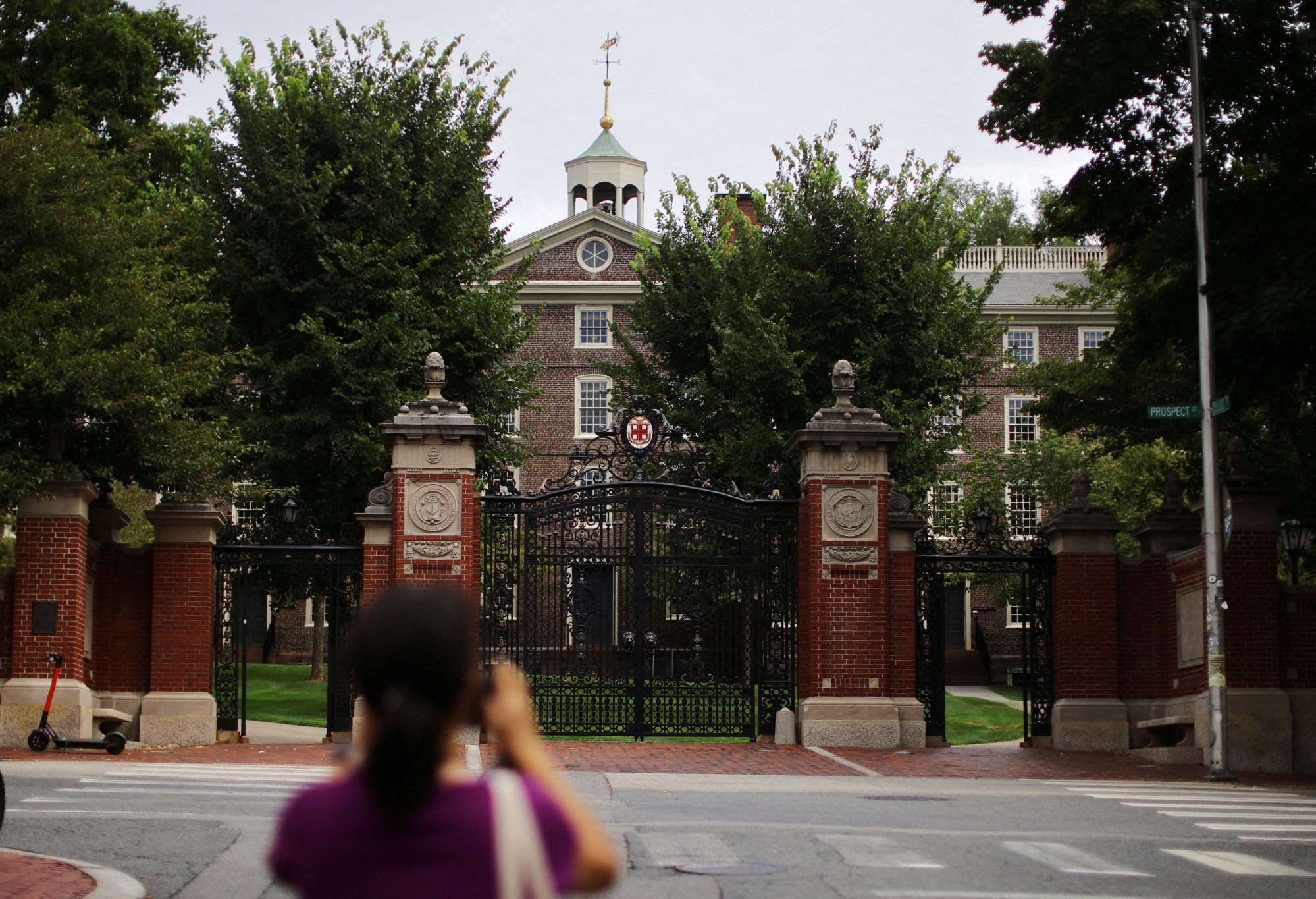
Dr. Douglas Shemin, who mentioned that he employed Alawieh at Brown Medicine, described her as an "exceptional" physician and educator known for willingly working extensive hours without complaint.
He mentioned that she possesses a vital reservoir of information, one that isn’t accessible to everybody.
Currently, Brown Medicine has approximately 300 to 400 patients awaiting kidney transplants, as stated by Shemin. These individuals require consistent evaluations, a task that now falls solely on two physicians.
A gathering was organized to back Alawieh on Monday evening at the Rhode Island state capitol.