7 Irresistible Portuguese Desserts You Must Try on Your Trip

Portugal boasts an array of traditional sweets, every one more enticing than the previous. From the well-known pastel de Nata to the light pão de ló, here are seven Portuguese desserts you should taste at least once.
Portuguese cuisine truly captivates culinary enthusiasts, particularly when it comes to its delectable sweets. These confections draw from both medieval monastery dishes and widespread local customs, combining straightforward ingredients with deeply satisfying tastes. What ties them all together? The frequent incorporation of abundant amounts of sugar, eggs, cinnamon, and milk—often family heirlooms handed down over time. While visiting Portugal, sampling these sugary delicacies—and exploring how each region puts its own spin on them—is essential. Here’s an appetizing preview of seven quintessential Portuguese desserts every person should experience at least one time. Spanning smooth puddings to light-as-air pastries and crunchy morsels, there is sure to be a dessert appealing to anyone’s palate.
Pastel de nata , the unmistakable Portuguese delicacy
The pastel de nata Undoubtedly, the crown gem of Portuguese sweets is the pastel de nata. This delicacy was first crafted by monks at the Jerónimos Monastery in Belém, an iconic part of Lisbon’s history. The dessert features a delicate, flaky crust enveloping smooth custard, offering a delightful contrast in texture. What sets it apart is the baking process: cooked under high heat, it develops a distinctive caramelized layer atop the creamy filling.
Enjoy this delicacy when served warm, topped with a dash of cinnamon and powdered sugar; it makes for a delightful snack anytime. If you happen to be in Lisbon, make sure to stop by the original store to sample it. famous pastéis de Belém at the origin point of this famous dessert: The Factory of Belém Pasteis .
Interested in discovering Portugal? These articles can assist you with planning your visit:
- This hidden gem of an island in Portugal hosts Europe's sole two tea plantations.
- This 5-star accommodation in the Algarve provides an elegant and tranquil retreat for visitors seeking to flee to southern Portugal.
- The Top 10 Most Stunning Cities to Explore in Portugal
Arroz doce , the Brazilian rice pudding
Arroz doce It’s a soothing dessert commonly found on every Portuguese table. The great part? Making it at home is remarkably easy! You cook rice gently in sugared milk infused with cinnamon and lemon until it achieves a wonderfully smooth texture.
Next, prior to serving, it is abundantly dusted with cinnamon. Each household has their own twist on this recipe—some include vanilla, lemon peel, or even incorporate an egg for added thickness.
Pudim de ovos , the Portuguese dulce de leche
Pudim de ovos It ranks among Portugal’s most cherished and decadent treats. This dessert closely resembles caramel custard ("crème caramel"), crafted using basic components that you probably already keep in your pantry: egg yolks, sugar, and milk.
The recipe for pudim de ovos It’s straightforward: just blend the three components, place some caramel at the base of a mold, pour in the blended mixture, and gently bake it using a water bath method. The outcome will be a luxuriously creamy egg custard with an impeccable velvety consistency.
Aletria , the vermicelli dessert
Aletria This classic dessert consists of milk, sugar, and cinnamon, commonly enjoyed during Christmas dinners. What sets it apart? It is prepared using thin vermicelli noodles (sometimes called angel hair), which lend it a distinctively unique consistency.
This dessert also varies from one household to another: some enjoy it creamy, whereas others opt for a denser texture that can be portioned out. It frequently gets an aromatic boost from lemon or orange peel and is typically garnished with a dusting of cinnamon.
Rabanadas , the Portuguese French Toast
Rabanadas Are they similar to what the French call pain perdu? , yet featuring an upscale touch. These are particularly favored during the Christmas season; they consist of generous slices of bread immersed in sugared milk, subsequently dipped in whisked eggs, and finally pan-fried.
When they turn golden and crisp, these treats receive an ample dusting of sugar and cinnamon or get drenched in honey. Certain variations incorporate a hint of port wine or syrup to enhance their taste. This straightforward dessert is ideal for utilizing old bread.
Pão de ló , the airy cake
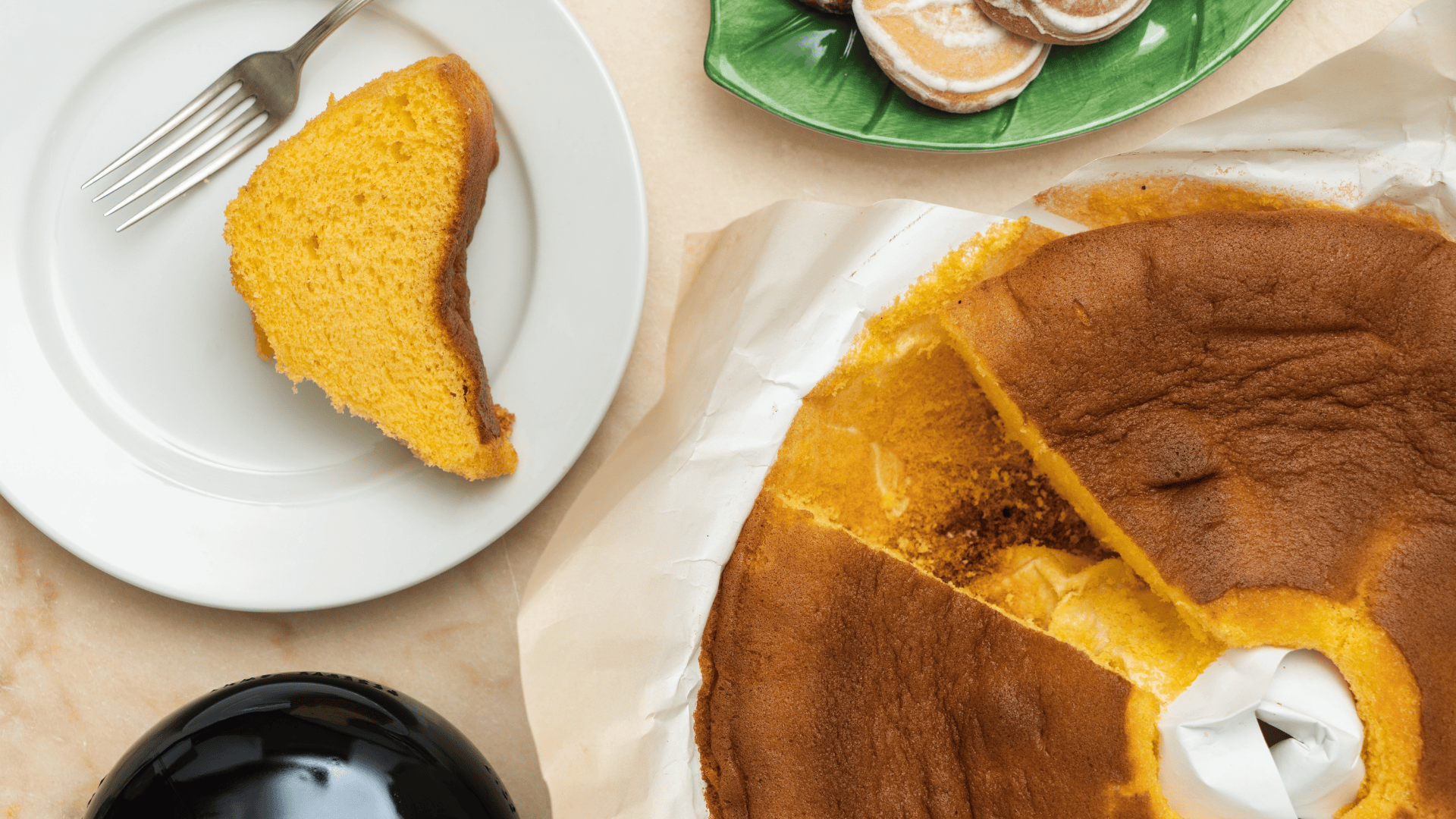
Pão de ló Is a traditional Portuguese dessert that is frequently likened to the American sponge cake Or the French gâteau de Savoie. Composed solely of eggs, sugar, and flour, this cake distinguishes itself with its delicate and fluffy consistency. It is typically savored during Easter and Christmas festivities.
Even though this cake is exceptionally light and airy, pão de ló It is commonly savored with tea, coffee, or a glass of port wine. As before, the recipe differs based on the region: we have the pão de ló From Alfeizerão, Ovar, Guimarães, Margaride ( Felgueiras ), and Arouca.
Bolo de bolacha , the Portuguese tiramisù
Bolo de bolacha This no-bake dessert features Maria biscuits soaked in coffee. For preparation, just layer the biscuit-coffee mixture with a creamy filling made of sweetened egg yolks mixed with butter.
This process is repeated multiple layers before serving. It is finished off with crushed biscuits on top and then refrigerated for 24 hours to ensure it sets correctly.